Forty Years in Aviation: What Actually Builds Trust
Technology changed nearly everything I fly with and almost nothing about why crews succeed. A few observations from four decades in the industry.
REF Industry Insights · AVIASKILLS Insights
When I began flying, the cockpit was a collection of instruments that required interpretation and a crew that required coordination. Four decades later, the aircraft tells you more about itself than any crew could have hoped to know, and the coordination problem has not changed at all.
That contrast is the most useful thing I can offer anyone entering this industry.
What technology changed
It changed precision, awareness and workload. It made navigation exact and fuel planning conservative. It moved the difficult part of flying from handling to monitoring, and it made the consequences of a small misunderstanding larger, because systems act on the numbers they are given whether or not the crew meant them.
Automation did not remove human error from aviation. It relocated it — from the hands to the head, from the control input to the mode selection, from the visible to the silent.
What it did not change
Nothing about the reasons crews succeed. Those remain stubbornly human:
- Somebody says the thing that is uncomfortable to say, at the moment it can still be acted upon.
- Somebody admits they are tired, behind the aircraft, or unsure.
- Somebody asks a question that reveals the plan was never shared.
- Somebody thanks the person who raised the problem instead of defending the decision.
I have never seen an operation improve through a system alone, and I have never seen one fail for lack of data. Operations fail in the space between what people knew and what they were willing to say.
The most advanced aircraft in the world still depends on two people telling each other the truth.
Trust is built in small behaviours
Trust is often discussed as a culture, which makes it sound like something an organisation either has or lacks. In practice it is built in small, repeatable behaviours that anyone can adopt:
- Do what you said you would do, especially when nobody is checking. Consistency is the raw material of trust.
- Report your own errors first. A person who reports against themselves gives everyone else permission to do the same.
- Separate the person from the error. Accountability for behaviour, not for being human.
- Listen to the quietest person in the room. The newest crew member is often the one who noticed.
The next decade
The industry is moving toward more data, more automation and more pressure on cost and schedule. None of those trends reduces the value of an experienced person who can be challenged, or of a culture where challenge is welcome.
That is the work I care about, and it is the reason AVISKILLS exists: to keep practical, independent expertise in the hands of the people who operate aircraft — not only in the documentation that surrounds them.
Forty years on, I still believe the same thing. Aircraft are engineered. Safety is built by people.

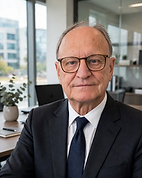
Jean Philippe PEROU
Aviation safety expert
About the author
Forty years in aviation, spent on safety.
Jean Philippe PEROU is the co-founder of AVIASKILLS, with 40 years of experience in the aviation industry. His expertise covers Crew Resource Management, aviation safety, regulatory compliance, risk management and flight operations. He now works as an independent consultant for airlines, operators and training organisations, with no commercial interest in any manufacturer, system or supplier.
Recognised as one of Europe's independent voices on aviation safety, he publishes his analysis in AVIASKILLS Insights and on LinkedIn, where more than 30,000 aviation professionals follow him.
- Human factors (CRM)
- Aviation safety
- EASA / ICAO compliance
- Risk management
- Flight operations
40
years of aviation
30,000+
LinkedIn followers
Next step
Looking for aviation expertise?
AVIASKILLS provides specialized aviation training and independent consulting in CRM, safety, compliance and risk management.

